Từ lốp xe phế thải đến "bụi vàng": Cao su cũ tạo ra lợi nhuận mới như thế nào?
Bạn có biết về lốp xe không? Chắc chắn là có rồi. Trong thế giới hiện đại đầy tốc độ này, ô tô, xe tải và tàu hỏa có mặt ở khắp mọi nơi. Lốp xe với đủ hình dạng và kích cỡ hoặc đưa chúng ta đến những nơi xa xôi, hoặc vận chuyển hàng hóa từ xa đến tận đây. Nhưng bạn có biết rằng ngoài việc lăn trên đường, những chiếc lốp này thực ra có thể được nghiền thành bột và sử dụng để làm ra các vật dụng hữu ích khác không?
Tuy nhiên, trước khi biến rác thải thành kho báu, lốp xe phải trải qua một quy trình cụ thể.
Nói một cách đơn giản, đó là việc thu nhỏ những thứ lớn. Toàn bộ lốp xe trước tiên được cắt thành những khối nhỏ, sau đó được nghiền nát và sàng lọc nhiều lần thành bột có kích thước khác nhau.
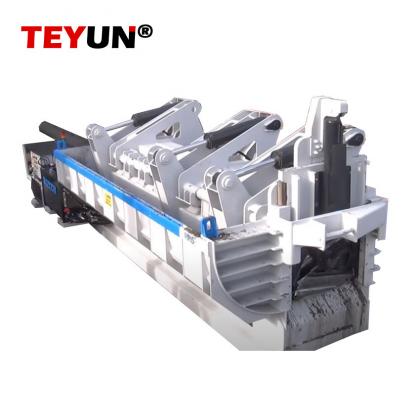
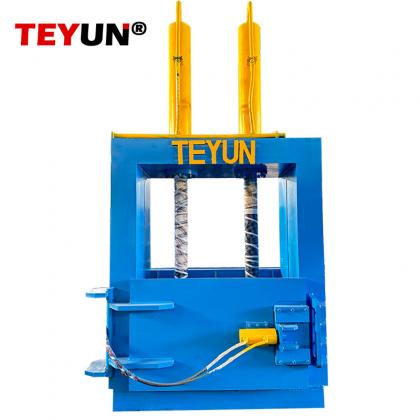
Nhưng bên trong lốp xe còn có những bộ phận quan trọng khác. Để chịu được trọng lượng của các phương tiện và hành khách, lốp xe được cấu tạo với các sợi thép bên trong. Vì vậy, để thu được bột cao su sạch, trước tiên phải loại bỏ các sợi thép dày xung quanh vành lốp. Có hai cách để biến lốp xe thành các khối cao su. Cách thứ nhất là sử dụng máy cán vòng và máy làm khối lốp đa năng. Cách thứ hai là sử dụng máy kéo lốp và máy nghiền lốp dạng lưới quay. So sánh hai phương pháp, phương pháp đầu tiên nhanh hơn và hiệu quả hơn nhiều.
Sau khi có các khối cao su, băng chuyền sẽ vận chuyển chúng vào một silo đệm. Từ đó, chúng được đưa vào máy nghiền cao su để nghiền nát. Các mảnh vụn sau khi nghiền sẽ được đưa lên một sàng rung để phân loại. Những mảnh đủ nhỏ sẽ rơi thẳng qua lưới, trong khi những mảnh quá khổ sẽ được đưa trở lại máy nghiền để tiếp tục quá trình. Chu kỳ này lặp lại cho đến khi mọi mảnh đều có kích thước phù hợp. Đó chính là hệ thống nghiền và tuần hoàn cao su tích hợp.
Bạn còn nhớ sợi dây thép mà chúng ta đã đề cập trước đó không? Bên cạnh sợi dây thép dày ở vành, còn có những sợi dây thép nhỏ lẫn trong các mảnh cao su. Để tách hơn 95% dây thép ra khỏi bột cao su, vật liệu có kích thước phù hợp sẽ được đưa qua máy tách dây thép từ tính, sử dụng nam châm để kéo những sợi dây nhỏ này ra. Sau đó, vật liệu sẽ trải qua vòng sàng lọc và tách từ tính thứ hai để đảm bảo độ tinh khiết 100%.
Cuối cùng, máy tách sợi sẽ loại bỏ các sợi vải thừa, và bột cao su thành phẩm đã sẵn sàng để đóng bao. Điều này giúp chúng ta có được lượng bột cao su chính xác như cần thiết. Nếu người mua cần bột cao su tinh khiết hơn nữa, có thể bổ sung hệ thống hút bụi để giữ lại bụi trong không khí trong suốt quá trình sản xuất, giúp sản phẩm cuối cùng sạch hơn.
Vậy, tỷ suất lợi nhuận của toàn bộ dây chuyền là bao nhiêu? Lấy thị trường Trung Quốc làm ví dụ. Một tấn lốp xe có đai thép có giá khoảng 2.000 RMB. Một dây chuyền sản xuất 1 đến 1,2 tấn bột cao su mỗi giờ có giá khoảng 95.000 USD. Nếu vận hành máy móc 8 giờ một ngày, 25 ngày một tháng, bạn sẽ sản xuất được khoảng 8,8 tấn mỗi ngày và khoảng 2.640 tấn mỗi năm.
Một tấn lốp xe phế thải cho ra khoảng 65% bột cao su. Với giá thị trường hiện tại của bột cao su là 3.200 RMB/tấn, lượng bột này mang lại 2.080 RMB cho mỗi tấn lốp xe. Thêm vào đó, 25% dây thép được loại bỏ có thể bán làm thép phế liệu với giá 1.600 RMB/tấn, mang lại thêm 400 RMB. Như vậy, tổng doanh thu đạt 2.480 RMB cho mỗi tấn lốp xe.
Sau khi tính đến các chi phí vận hành như điện, nhân công và hao mòn máy móc, lợi nhuận ròng vào khoảng 280 RMB/tấn. Điều đó tương đương với lợi nhuận ròng 2.380 RMB/ngày, 61.600 RMB/tháng và 739.200 RMB/năm.
Do đó, chúng ta có thể tự tin kết luận rằng toàn bộ dây chuyền sản xuất này có thể thu hồi vốn đầu tư trong vòng chưa đầy một năm.

 English
 français
 русский
 español
 العربية
 日本語
日本語 中文
中文


 Địa chỉ : Mingjue Industry Park, Lishui District, Nanjing City, Jiangsu Province



 Hỗ trợ mạng IPv6